
Published:
Author: Antonio Maria Guerra

Italian Cuisine
UNESCO Heritage
TASTE, CRAFTMANSHIP, TRADITION

December 10, 2025 is a date destined to rightfully enter the history of the Bel Paese: in New Delhi, an international committee officially declared Italian cuisine a UNESCO heritage. This recognition holds enormous value as it was not awarded to a single dish but to the tricolour gastronomy as a whole: an unprecedented achievement and, as such, even more flattering. Such an honor clearly celebrates not only the culinary excellence, but also the history, culture, tradition, and craftsmanship that have given life to specialties renowned and appreciated throughout the world. Let’s discover the secrets behind the great success.
What does ‘Intangible Cultural Heritage of Humanity’ mean?
An ‘Intangible Cultural Heritage of Humanity’ differs from a ‘tangible’ one in that it refers to ‘impalpable’ treasures rather than, for example, monuments or archaeological sites. Ethereal excellences, but no less real for that, such as tradition, art, and so forth. In short, everything that can be defined as ‘culture’: a living concept that is transmitted from generation to generation and, while continuously evolving, maintains its essence intact.
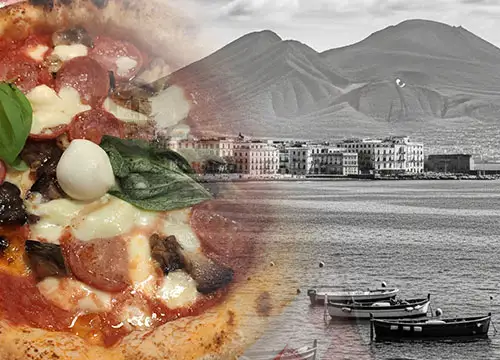
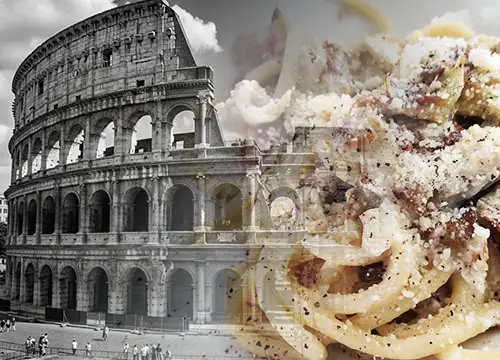
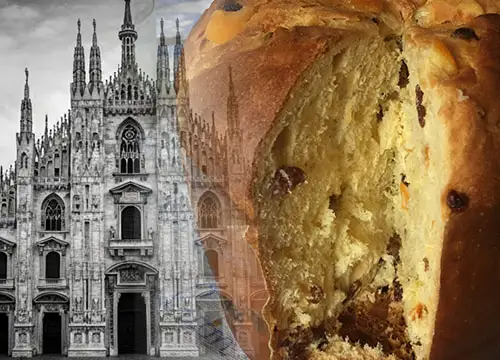
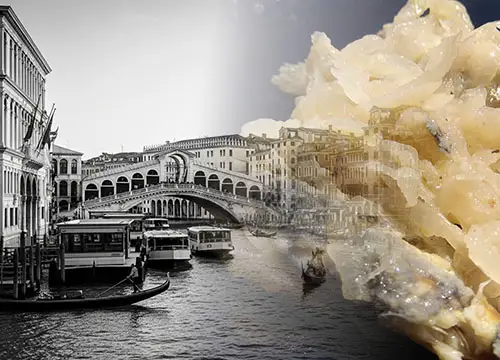
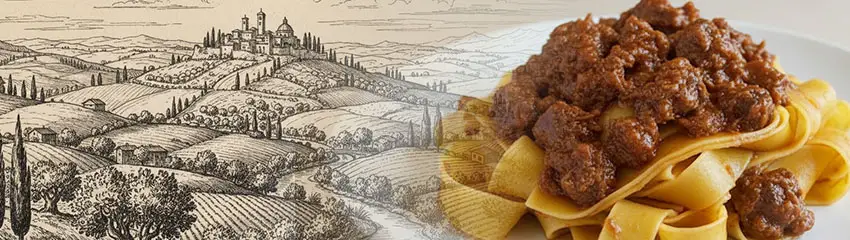
With this premise, it’s no surprise that cuisine fits perfectly into this category: far more than a technique, it’s a reflection of the collective identity of an entire people. Understanding this means grasping the inextricable link between Italy, Italians, and a particular way of conceiving food and the ‘act of eating’. Proof of this can be found simply by asking any food lover if it’s true that, when savoring one of the countless specialties of the Bel Paese, his imagination runs to the landscapes of the peninsula, its architecture, and its loving and boisterous people.

The recognition of the Mediterranean Diet.
Upon close examination, the recognition of Italian Cuisine as UNESCO Heritage was announced by a similar precedent that highlighted the direction taken by the International Committee in its choices. Reference goes to what happened in 2010, when the Mediterranean Diet also became part of the intangible cultural heritage of humanity: a great honor shared among Spain, Greece, Morocco, Portugal, Croatia, Cyprus, and, of course, Italy.
Read more
This made clear how much importance was assigned to the value of a dietary model that, beyond its strictly nutritional aspect, is based on strongly characterizing and shared social and cultural practices. Elements previously undervalued, such as the conviviality of meals, acquired considerable weight, demonstrating that food can be much more than just ‘nourishment’, becoming, among other things, an expression of community and wellbeing.
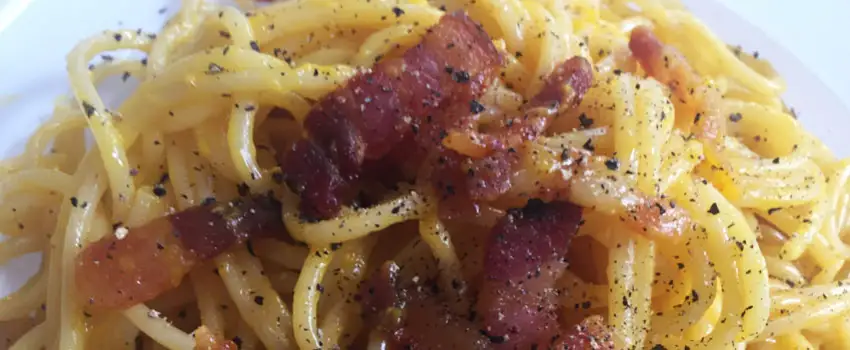

UNESCO Recognition: the destination of a long journey.
The journey that led to the declaration of Italian Cuisine as UNESCO Heritage was anything but simple: it was in fact necessary to demonstrate that the gastronomic tradition of the Bel Paese is not simply a collection of recipes, however famous, but a structured cultural system rooted in the social fabric. The candidacy therefore required years of preparation, during which sector experts, anthropologists, and representatives of local communities tirelessly documented the traditional culinary practices of the individual regions that make up the country. It was also necessary to highlight how the Italian ‘art of eating’ is not a static phenomenon, but a living heritage that, as such, continuously renews itself in homes, trattorias, and even in the streets.
The final recognition established the importance of preserving and enhancing this heritage for future generations, without neglecting the importance of innovation.
Italian Cuisine UNESCO Heritage: the proclamation.
This video shows the moment when Italian cuisine was proclaimed UNESCO Intangible Cultural Heritage. Special thanks to IL MATTINO, owner of the footage.

Italian Cuisine UNESCO Heritage: territoriality and tradition.
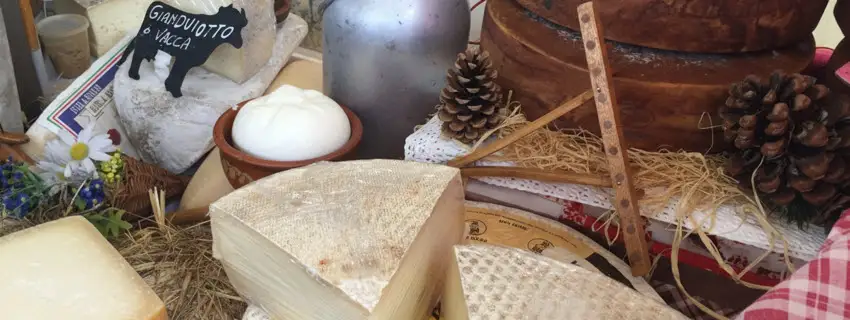
Territoriality and tradition are among the main factors that have made Italian cuisine worthy of UNESCO recognition. After all, in the ‘Bel Paese,’ every region, province, and even every single village preserves a treasure made of specialties whose origins are lost in the centuries. Such incredible variety shouldn’t be too surprising, as it arises from the extreme morphological and cultural fragmentation that has always characterized the peninsula.
Read more
Territoriality manifests itself, for example, in the use of typical ingredients that, according on their place of origin, can boast unique taste and olfactory characteristics.
Tradition is reflected, among other things, in peculiar processing techniques, often handed down for generations. Thinking of Neapolitan pizza means evoking the precise gestures of a pizzaiolo/artisan, his use of the oven, the timing that is the fruit of experience, the appearance and consistency of hiswork. Similarly, Sardinian cheeses recall ancient places and knowledge, capable of resisting industrial standardization.
This demonstrates that the inextricable connection between food and its land is not simple folklore, but a fundamentally important element capable of affecting flavor itself.
Italian Cuisine UNESCO Heritage: Craftsmanship.
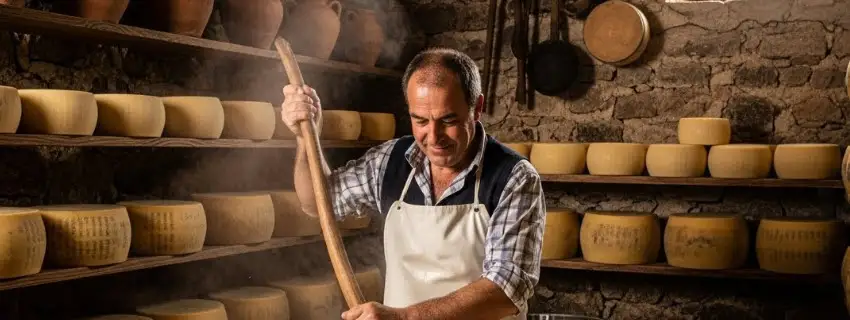
Craftsmanship is undoubtedly one of the aspects that most distinguishes Italian cuisine. In an era when food quality is influenced by the standardization logic typical of industrial production, ‘old-fashioned’ preparation methods acquire inestimable value, not only as testimony to ancient knowledge, but also for accessing ‘peaks of flavor’ otherwise unattainable. Levels of delicacy that, as it happens, require mastery, patience, and dedication.
Read more
Flavors that cannot be replicated by machines because they are intimately linked to human experience and sensitivity.
For example, making naturally leavened bread, curing cured meats according to natural rhythms, producing cheeses respecting the necessary biological times, are all practices that require in-depth knowledge, the fruit of years of apprenticeship.
This makes food a true form of art. The value of such excellence, however immeasurable, cannot be said to be equally incorruptible: a ‘detail’ that, clearly, UNESCO understood and destined for due protection.
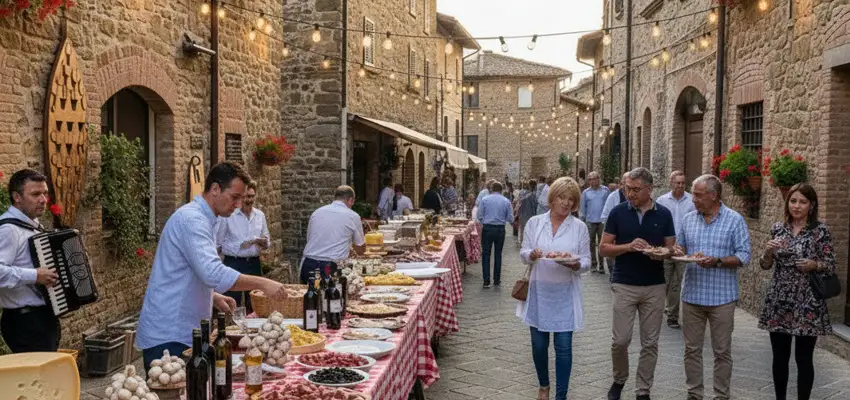
Local communities and the preservation of taste.
Local communities are on the front lines in defending Italian Cuisine as UNESCO Heritage. Beyond more or less large and established production realities, the role of every small village, family, and even individual in keeping this gastronomic tradition alive is undeniable.
Read more
The contribution of the numerous gastronomic associations and confraternities is particularly precious: thanks to fairs and festivals, they transmit the culture of Italian flavor.
The organization of events that celebrate local specialties gives new generations the opportunity to learn about and appreciate centuries-old recipes and techniques that, otherwise, could disappear.

Conviviality: the secret ingredient of Italian Cuisine.
One of the elements that, however strange it may seem, carried weight in the recognition of Italian cuisine as UNESCO heritage is its ‘social dimension’. To understand what this means, it’s necessary to explain that in the ‘Bel Paese’, the act of eating is almost never an end in itself, intended for pure sustenance, but is rather a precious moment of sharing capable of strengthening interpersonal bonds. Occasions such as Sunday lunch, religious celebrations, and birthday celebrations become, especially in families more attentive to tradition, unmissable opportunities to gather with loved ones around a table, sharing food that becomes a true symbol of affection. This explains why even the ‘cooperative’ preparation of certain specialties, from preserves to Christmas sweets or one of the thousand delicacies of the peninsula, can become an important moment of sharing, in which it may happen that a grandmother reveals her precious cooking secrets to her granddaughter.
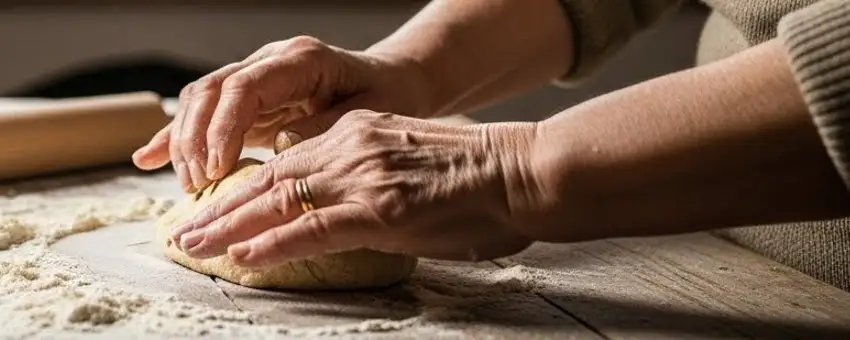
Ancient techniques to achieve excellence.
Traditional preparation techniques constitute the true backbone on which a great part of Italian cuisine is based: a heritage of sophisticated knowledge, evolved over centuries.
Fresh pasta making, for example, requires a deep understanding of factors such as the nature of the flour and environmental humidity, in order to obtain an optimal dough consistency.
Read more
Of course, there are almost never precise rules, since each preparation requires adapting to the conditions of the moment. Such sensitivity is not learned from manuals, but requires years and years of daily practice, in addition to the direct transmission of knowledge from master to student.
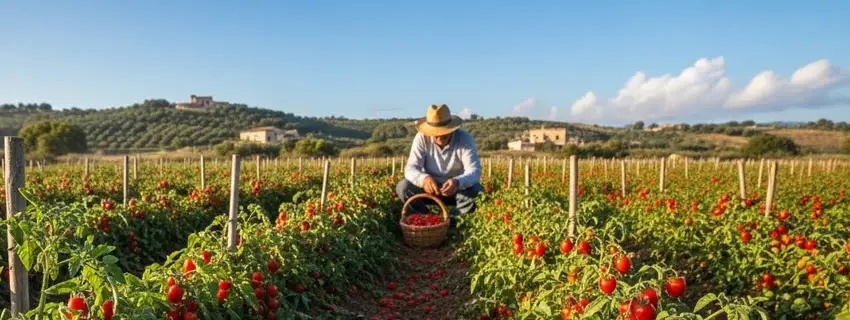
Italian Cuisine UNESCO Heritage: biodiversity.
Attention to biodiversity has always characterized Italian cuisine, manifesting itself, for example, in the protection and promotion of the many local fruit and vegetable varieties, often saved from extinction thanks to the tenacity of small producers.
These culinary excellences include, for example, the Sarconi bean, the Pachino tomato, and the Castelluccio lentil. However, it should be emphasized that, in the Bel Paese, every single territory has its own small treasure that tells of millennial adaptations to specific pedoclimatic conditions.
Read more
The safeguarding of such a large number of varieties therefore means preserving genetic wealth fundamental for future agriculture.
Finally, it should be emphasized that the most traditional gastronomy of the peninsula often enhances ingredients of such great quality through simple preparations and therefore more capable of highlighting their characteristics.
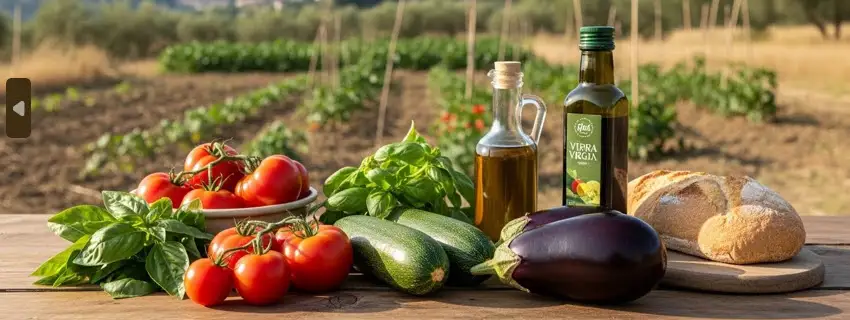
Italian Cuisine UNESCO Heritage: sustainaibility.
Among the elements of greatest value at the basis of Italian cuisine there is an innate attention to sustainability.
This should not be surprising, considering that for centuries the local communities of the peninsula have based their exquisite preparations on the seasonality of ingredients: many specialties can in fact be enjoyed only in certain periods and not in others.
Nowadays, such an approach to food fits perfectly with the growing environmental sensitivity
How many traditional Italian recipes are there?
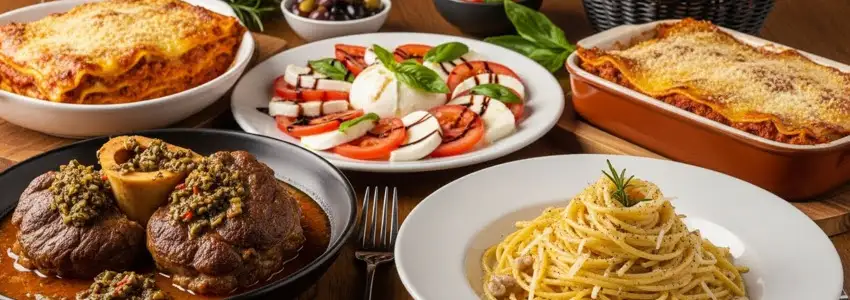
It’s virtually impossible to quantify precisely the number of specialties that constitute the Italian culinary tradition. Although some estimate that there may be, more or less, five thousand, such an assessment is decidedly risky and almost certainly far from reality: just think of the fact that almost every family in the peninsula jealously guards exquisite variants, ‘secrets’ often passed down orally between generations. Such extraordinary variety is one of the most evident reflections of the cultural and territorial richness of the Bel Paese.

The protection of 'Made in Italy'.
The recognition attributed by UNESCO to Italian cuisine comes at a particularly propitious moment, especially from the point of view of protecting ‘Made in Italy’ food products. Over the years, the value of ‘Italian sounding’ and the enormous volume of business linked to it have in fact exacerbated the phenomenon of counterfeiting, leading to a real boom in the commercialization of fake specialties, generally of poor quality. A phenomenon capable of damaging both original producers and the tradition on which their work is based. Although the adoption of regulatory instruments such as designations of origin has been a first step from the protection point of view, the inclusion of the Bel Paese’s taste in the Intangible Heritage of Humanity undoubtedly represents the ideal ‘cultural framework’ for this legislation, emphasizing the unreplicable uniqueness of practices made of knowledge, territories, and communities.
The balance between innovation and culinary tradition.
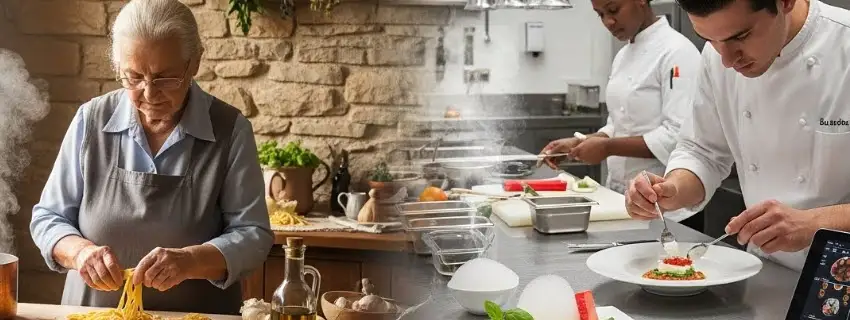
The recognition of Italian cuisine as UNESCO heritage does not imply, as one might easily think, the ‘crystallization’ of culinary practices, but values a gastronomy traditionally capable of integrating novelties, without ever losing its own identity.
Read more
The never-ending challenge between innovation and respect for roots thus becomes a factor of further enrichment for a taste heritage already as rich as that of the Bel Paese: many contemporary chefs have understood this, reinterpreting ancient dishes in light of a modern but respectful sensibility.
Copyright information.
The images displayed in this page belong to WebFoodCulture.